
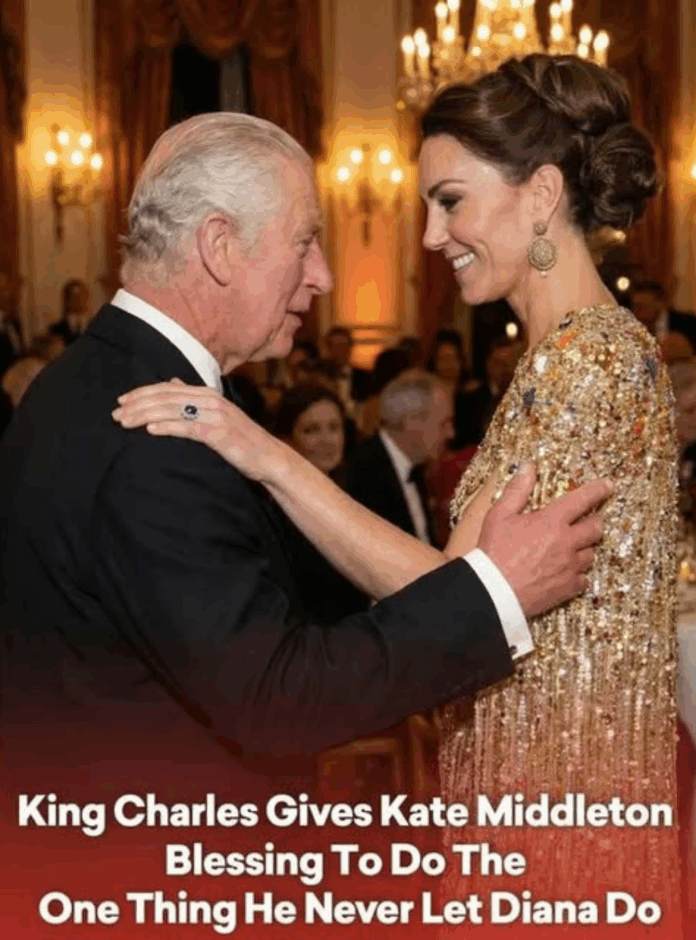

Public visibility within the royal family has long required careful balance. That reality became especially clear during the era of Princess Diana and King Charles III, when differences in public reception shaped both personal relationships and the monarchy’s image. Diana’s warmth and natural rapport with people around the world drew extraordinary admiration, illustrating how public connection can influence not only popularity, but internal dynamics as well. Those experiences left a lasting imprint on how the royal family approaches public engagement.
Today, as King Charles III leads the monarchy, observers see a notably evolved perspective. Rather than viewing popularity within the family as a source of tension, he appears to recognize it as a strength. Catherine, Princess of Wales has emerged as one of the most respected and relatable figures in royal life, known for her composure, consistency, and modern sensibility. Her steady connection with the public is widely regarded as reinforcing trust in the institution.
This outlook reflects a broader emphasis on continuity and long-term stability. By supporting Catherine’s prominent presence at major engagements, the King signals confidence in the next generation. Public focus naturally gravitates toward Prince William and his family, who embody an approachable, contemporary image of the monarchy. Encouraging that visibility helps maintain relevance at a time when public expectations of leadership and transparency continue to evolve.
Taken together, this approach suggests a thoughtful shift in leadership style—one shaped by experience. Shared visibility is no longer treated as a risk, but as an asset that can strengthen authority through cooperation. By openly supporting the Princess of Wales in a leadership role, King Charles underscores the value of unity, mutual respect, and adaptability across generations. It is a strategy aimed not only at the present, but at securing a resilient foundation for the future.