
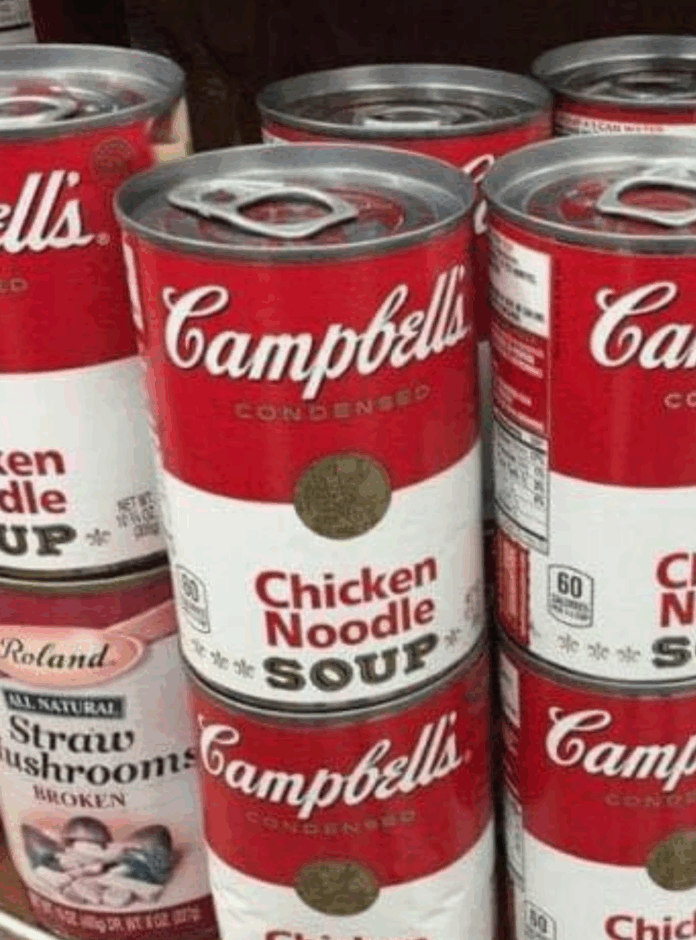

A familiar staple in American kitchens is facing a period of adjustment as consumer habits continue to change. Long associated with comfort and tradition, the company behind the iconic canned soups is now navigating a marketplace shaped by different expectations. Shoppers are increasingly drawn to products labeled as fresh, natural, or minimally processed, creating new pressures for long-established packaged food brands to rethink how they connect with modern consumers.
In response to these shifts, the company has pursued growth through acquisitions, aiming to broaden its product portfolio and remain competitive. While these moves have expanded its reach, they have also introduced added financial commitments and operational complexity. Managing a larger and more diverse lineup requires careful coordination, especially at a time when margins and consumer loyalty are under closer scrutiny.
At the leadership level, differing views have emerged about the best way forward. Some stakeholders argue that the brand’s strength lies in its heritage and that change should be measured and cautious. Others believe that stronger modernization is necessary to keep pace with evolving tastes and purchasing habits. These opposing perspectives have led to strategic debates about how aggressively the company should adapt its identity and offerings.
One notable outcome of these discussions was an agreement to add two new board members backed by an outside investor group. This step signaled a willingness to incorporate fresh viewpoints and reassess long-term strategy. Industry analysts see this as an indication that leadership is open to exploring alternative approaches in pursuit of stability and sustainable growth.
More broadly, the situation reflects challenges faced across the packaged food sector. Many legacy brands are working to balance tradition with innovation, striving to honor what made them successful while responding to new consumer priorities. As this company continues through its transition, the decisions made now may determine how well it maintains relevance and competitiveness in a rapidly evolving food industry.